

Volkswagen Tiguan Brake Replacement
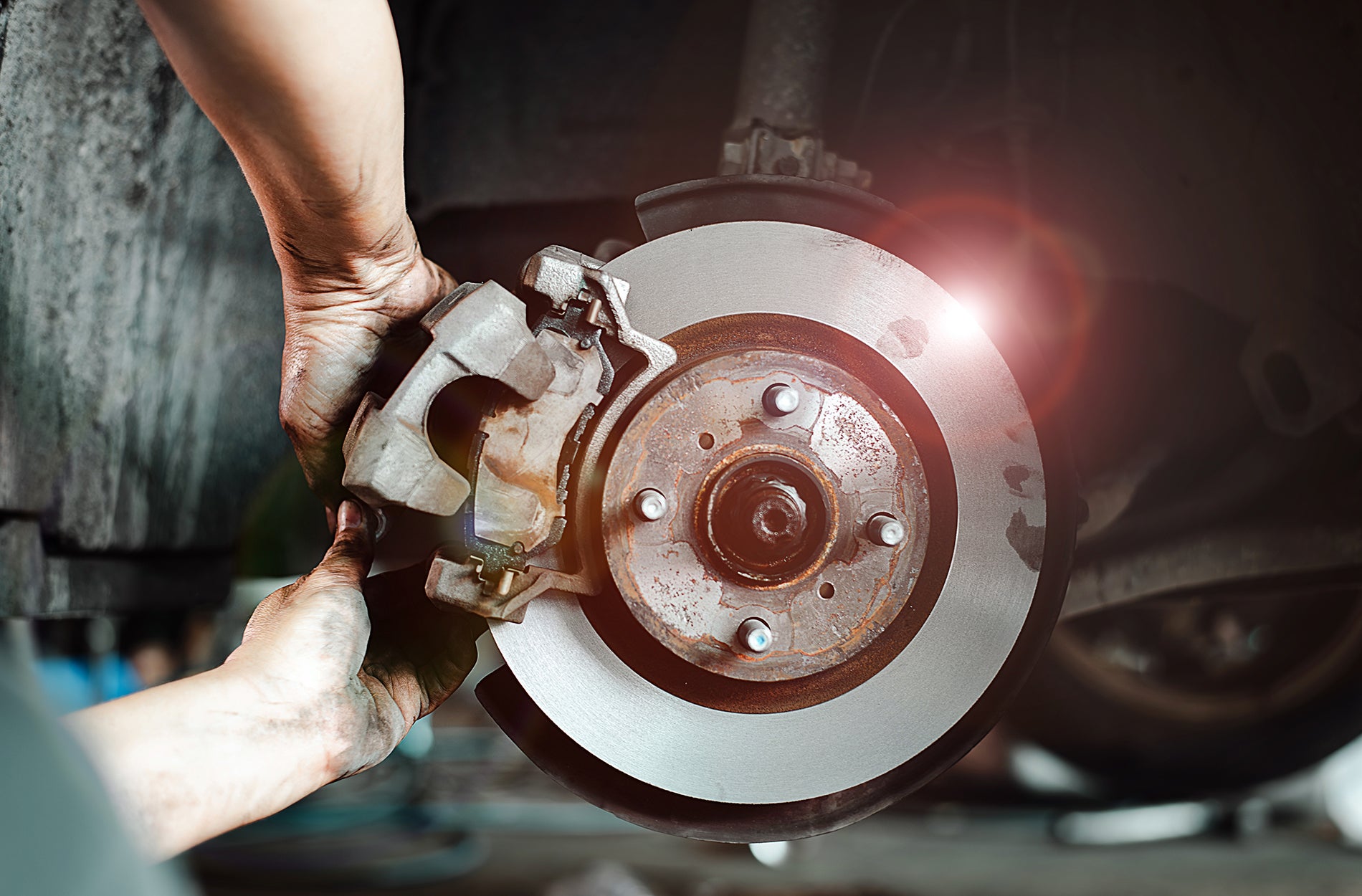
Your Volkswagen Tiguan's brake system is one of its most important components. Neglecting its maintenance can cause major concerns, putting both your safety and your budget at risk. Whether you hear a pesky squeal, feel vibrations, or notice a soft pedal, it’s best to schedule a service appointment right away.
When it’s time for a brake replacement, the qualified service technicians at Mike Reichenbach Volkswagen are here to help. We know your vehicle inside and out – and are happy to answer any questions you may have.
Here we’ve included everything you need to know about a Volkswagen Tiguan brake replacement: what it costs, what the service includes, the warning signs to watch for, and what to expect from start to finish. Let’s get started!
Volkswagen Tiguan Brake Replacement Cost
The cost to replace brake pads and rotors typically runs between $250 and $500 per axle, and you can expect to pay between $262 to $319 for pads alone. A complete brake replacement – pads, rotors, calipers, and a fluid flush – can rack up a tab of $950 to $1,300.
The exact cost depends on a few factors, namely the extent of wear and tear on your vehicle’s brake system. Replacing just the pads is the least pricey option, but if your rotors are worn or warped, they'll need to be resurfaced or replaced too – which tacks on $300 to $750 for all four. Keep in mind that, because they may not wear at the same rate, front and rear brakes are priced per axle.
Be sure to consider the quality of the parts used as well. OEM brake components are more expensive upfront than aftermarket parts, but since they typically last longer, you’ll likely save money in the end.
The repair shop you choose is incredibly important too. Here at our trusted Volkswagen Service Department, our certified technicians are trained to meticulously maintain every component of your vehicle. Just ask the satisfied customers who wouldn’t entrust their Volkswagen’s care to anyone else!
Don’t forget that your VW’s model year and trim can impact the brake replacement's price, since rotor sizes and pad types vary across Tiguan generations.
What's Included in a Volkswagen Tiguan Brake Service
A complete Volkswagen Tiguan brake service includes a thorough inspection of the entire braking system, followed by the replacement of worn brake pads. A check of the rotors comes next, determining whether resurfacing or replacement is needed.
A typical service covers:
- Wheel and caliper removal to inspect the pads and rotors
- Rotor measurement/inspection to assess thickness, warping, or scoring
- Rotor resurfacing if serviceable, replacement if worn or damaged
- Brake pad installation in matched sets to ensure even braking
- Caliper inspection to check for proper movement and fluid leaks
- Brake fluid check, top-off, or flush to maintain safe stopping power
- Wheel reinstallation with bolts torqued to Volkswagen's specifications
After the work is done, we recommend that drivers brake gently for the first 40 or 50 miles so the new pads can bed in properly against the rotors.
Signs Your Volkswagen Tiguan Needs a Brake Replacement
When its brakes are nearing the end of their lifespan, your Tiguan will most likely give you several clear signals. Catching them early can prevent more expensive rotor or caliper damage during the road, so never ignore these warning signs:
- Squealing, squeaking, or grinding noise when you brake
- A soft or spongy brake pedal that sinks farther than usual or feels less responsive
- Vibrating or pulsing sensation in the pedal or steering wheel when braking
- Brake warning light on dash illuminated
- Pulling to one side when braking
- Longer stopping distances
- Visibly thin brake pads
If you notice any of these signs, it's best to schedule VW brake service as soon as possible. Brakes are a critical safety system, and what starts as a seemingly small issue can lead to serious damage or costly repairs if unaddressed.
What to Expect During Your Volkswagen Tiguan Brake Service
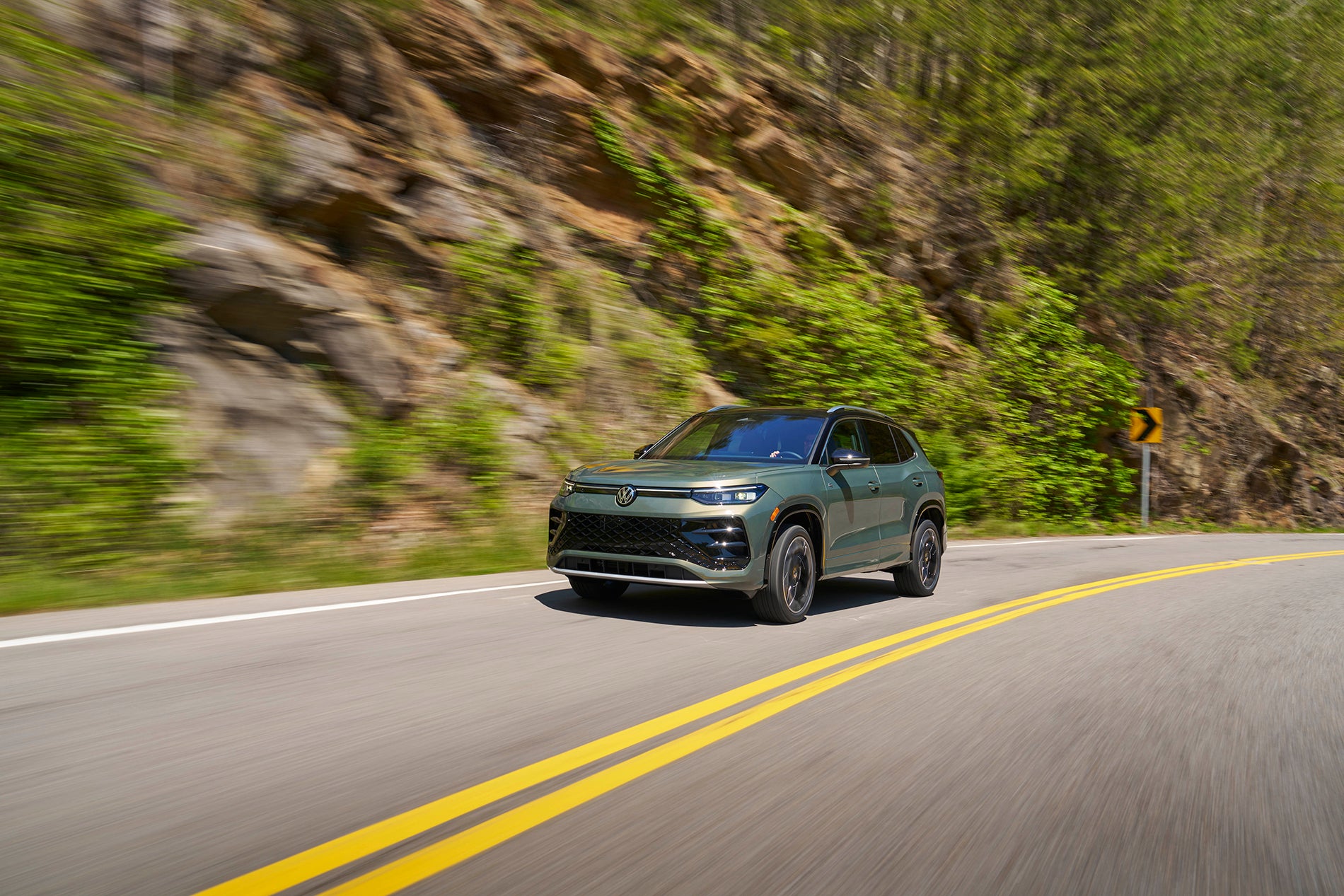
When it comes to brake service, we’ve got you covered. To ensure everything goes smoothly, our team has detailed what to expect when you schedule Volkswagen service near you.
Before any work begins, your service tech will take a closer look at your brakes to determine exactly what's needed and how much it will cost. A typical turnaround is one to two hours for a standard brake rotor and brake pad replacement.
We’ll provide a service recommendation, explaining whether you need pads only or pads and rotors. Our team will also help you compare the benefits of OEM versus aftermarket parts to ensure you make the most informed decision.
After your Volkswagen service appointment, expect a brief break-in period. Be sure to brake gently for the first 40 to 50 miles to allow the new brake pads to seat properly against the rotors.
Contact our Volkswagen Service Center today and you’ll be cruising with confidence in no time!
Volkswagen Tiguan Brake Replacement FAQ
Most Tiguan brake pads last between 30,000 and 70,000 miles, depending on your driving habits. Frequent city driving, hard braking, and hilly terrain cause brake pads to wear faster. Rotors typically last longer and are often replaced every other pad change or when they become worn or warped.
A standard VW Tiguan brake pad and rotor replacement usually takes about one to two hours, depending on the inspection’s findings – and whether you need front, rear, or all four corners replaced.
The Tiguan's rear brakes utilize an electronic parking brake that must be retracted with a special tool or scan tool, making it very difficult without professional experience. Because brakes are a key safety system, having the work done by a qualified technician is strongly recommended.
Not necessarily. If your rotors are still within spec and aren't warped or scored, they can often be resurfaced or simply left in place. However, heavily worn rotors should be replaced at the same time as the pads.
Since front and rear brakes wear at different rates, it’s common to replace just the front or just the rear. That’s why brakes are serviced per axle instead of all at once.
A light squeal may indicate that the brake pads are wearing thin and should be inspected soon. A grinding sound, soft pedal, or reduced stopping power points to a more immediate issue, meaning that your vehicle is unsafe to drive and should be serviced right away.
Schedule Your Volkswagen Tiguan Brake Service Today
Properly maintaining your Volkswagen Tiguan's brakes is one of the simplest ways to keep your vehicle safe, reliable, and running well for the long haul.
Whether you're noticing the early warning signs or prefer to plan ahead, understanding what the service involves and what it should cost makes the process even simpler.
When it's time for brake replacement, be sure to choose a reputable shop you can trust. Look for experienced technicians and quality parts to guarantee superior service. Contact us or schedule your appointment today to keep your Tiguan stopping with confidence! And check out our Volkswagen service specials to help you save!
Disclaimers
Prices listed are general estimates and can vary based on your model year, location, parts selected, and the condition of your braking system. For an accurate quote specific to your Tiguan, contact us directly.