

Volkswagen Passat Check Engine Light Service in Florence, SC
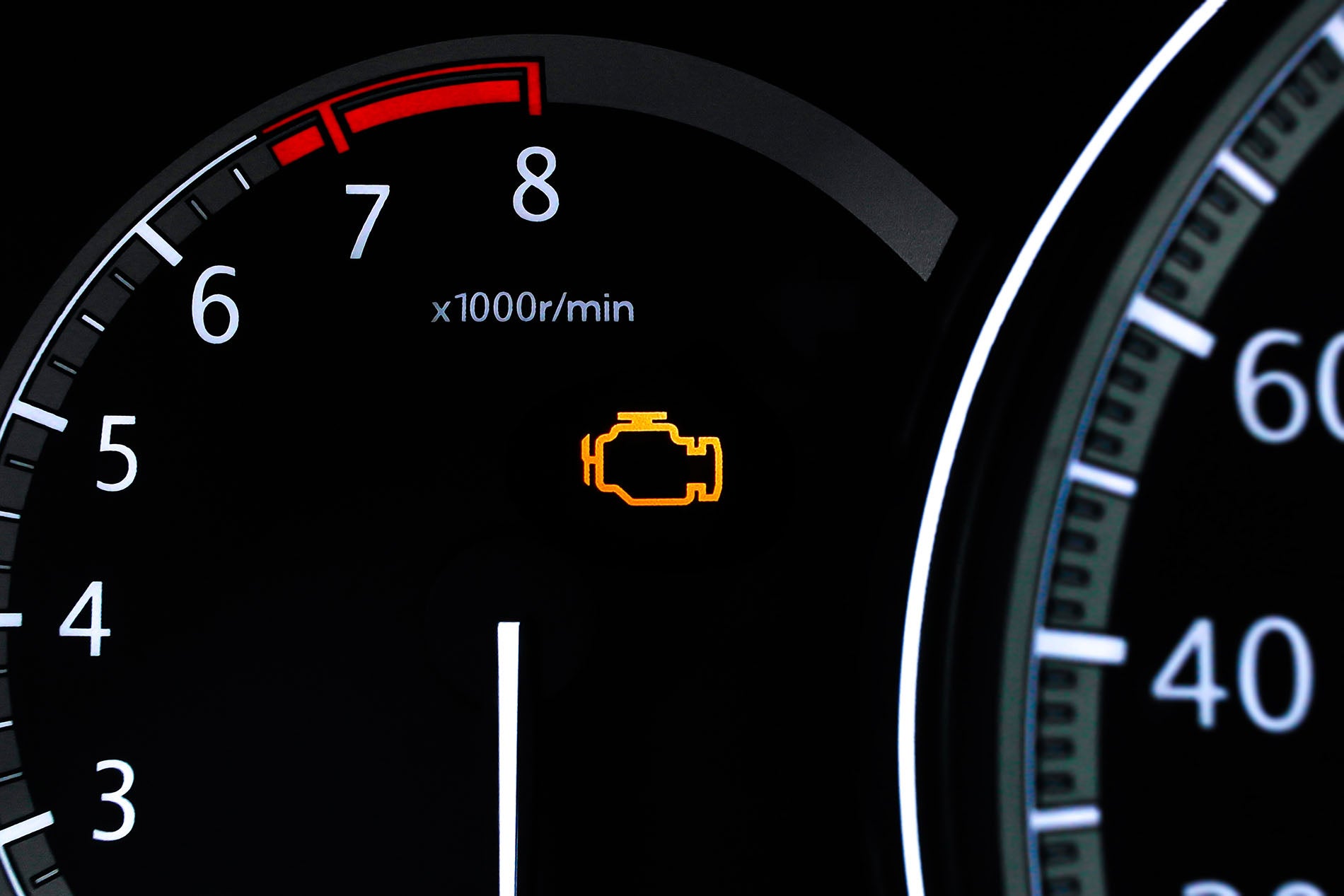
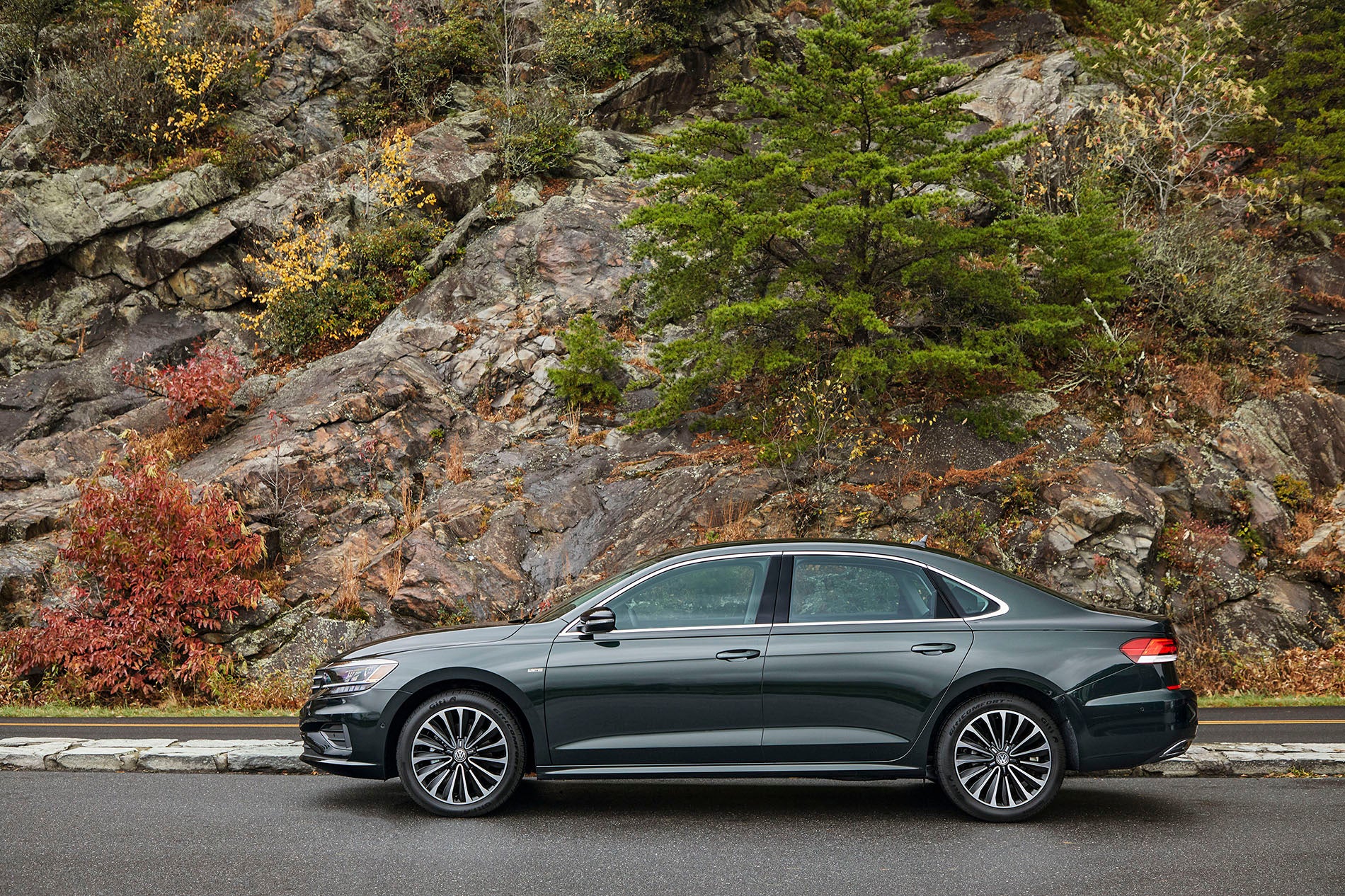
The last Passat rolled off the line for the 2022 model year. Most Passats that are still on the road around Florence have outlived their factory warranty, and many have passed 100,000 miles.
That changes what a check engine light means. On a newer car, it's often something minor, like a loose gas cap or malfunctioning sensor. On a Passat with that many miles on it, it's more likely that a part has simply reached the end of its life.
That’s where we come in. Our service team has worked on the Passat since it launched, and we know these cars inside and out. We’re here to diagnose the cause of your check engine light and make the repairs right, the first time.
If your check engine light is on, schedule your Passat check engine service in Florence today.
What Your Passat Is Actually Telling You
Solid check engine light: A solid light means that there is an issue, but the car is usually still drivable. Common causes of a solid check engine light include a loose gas cap, bad spark plugs, or a bad oxygen sensor. It’s not an emergency, but don’t put it off too long.
Blinking check engine light: This indicates a more serious problem, so stop driving as soon as possible. Continuing to drive with a blinking service engine light can cause serious damage to your engine. Get your Passat to a mechanic as soon as possible to avoid major repairs.
What the Service Engine Soon Light Can’t Tell You
The light indicates that something is wrong, but it doesn't say what. Your Passat has dozens of modules, and the engine control module stores the code that points toward the problem without naming it. Guessing gets expensive, so we always recommend having a diagnostic scan done by a trusted team, like the one at Mike Reichenbach Volkswagen.
Common Check Engine Light Triggers by Passat Engine
In the American market, the Passat had four different engines, each of which can fail in different ways. Knowing which one is under your hood narrows the list considerably.
1.8L TSI - The most common Passat engine on the road
The turbocharged four-cylinder is dependable, but it is direct-injected, which brings a specific set of quirks as mileage climbs:
- Crankcase ventilation (PCV) valve failure. When this happens, the diaphragm splits, the engine pulls unmetered air, and you get lean codes and a rough idle. You may also hear a whistle when you’re idling.
- Carbon buildup on the intake valves. Direct injection engines spray fuel past the valves rather than over them, so deposits accumulate. After 80,000 miles, this can show up as misfire codes, hesitation, and a cold-start stumble.
- Ignition coils and spark plugs. This is the single most common cause of a cylinder-specific misfire code on this engine. The good news is that this is one of the least expensive issues to fix.
- Purge valve (N80) failure. A stuck valve throws EVAP codes and can make the car hard to restart right after fueling.
- High-pressure fuel pump cam follower wear. We recommend inspecting this at higher mileage, since catching it early is much cheaper than catching it late.
2.0L TSI
The 2.0-liter is similar to the 1.8L TSI, with a few additions. When a Passat sets a boost-related code, the cause usually comes down to one of three parts: a leaking charge pipe, a sticking wastegate actuator, or a diverter valve that no longer seals. Any of them can keep the turbo from delivering the pressure the engine expects, and you'll feel it as hesitation or a flat, sluggish throttle.
As these turbocharged engines age, the thermostat housing and water pump are two of the most common causes of coolant-temperature codes. A part that's starting to fail may leak slowly or stop regulating temperature the way it should, and the light is often the first sign. If your temperature gauge is climbing, pull over and call us rather than driving on.
If you own a newer turbocharged VW, it’s worth noting that the same engine family powers the Tiguan, and we see the same wear patterns there.
3.6L VR6
The 3.6L VR6 is a strong engine, but it's also the heaviest and most complex one ever offered in the Passat, and that shows with age. At high mileage, we most often find worn ignition coil packs, failing camshaft position sensors, and timing chain guides that have started to wear. Catalytic converter efficiency codes are common too, since the original converters are reaching the end of their life.
Don't sit on a VR6 misfire. This engine has more catalytic converters downstream than the four-cylinders, so an unaddressed misfire puts more expensive hardware at risk. If the light is flashing, pull over and call us.
2.0L TDI (Diesel)
On a diesel Passat, the light usually points to the emissions system, not the engine itself. The usual causes are:
- A diesel particulate filter (DPF) that can't finish a regeneration cycle
- A clogged EGR valve or cooler
- A failed NOx or exhaust temperature sensor
- A glow plug circuit fault
- A DEF system complaint
Short trips are especially hard on a DPF. If most of your driving is around town, the filter never gets hot enough to burn itself clean, and soot keeps building until the car sets a code. A sustained run at highway speed sometimes helps, but once the light is on, it's worth having us check the filter before it clogs completely.
What the Light Usually Means at Your Passat's Mileage
When your check engine light is illuminated, taking your mileage into consideration can help you determine what’s going on.
| Mileage | Most likely culprits | General outlook |
|---|---|---|
| Under 80,000 | Loose or failing fuel cap, small EVAP leak, single ignition coil, purge valve | Usually minor and inexpensive |
| 80,000–120,000 | Spark plugs and coils, PCV valve, carbon buildup, cam follower wear, thermostat | Genuine maintenance, best done before it escalates |
| 120,000 and up | Oxygen sensors, catalytic converter efficiency, timing chain wear, water pump, aged wiring and connectors | Worth a full inspection so you can plan rather than react |
No matter what your mileage looks like, one thing will always hold true: the cheapest repair is almost always the first repair. If you ignore a misfire for a few months, it has time to escalate from a coil replacement to a converter replacement. Check out our maintenance menu to see what else is typically due at each of these intervals.
South Carolina Doesn't Test Emissions. The Light Still Matters.
While South Carolina doesn’t require an annual safety inspection and/or emissions testing, ignoring the check engine light on your Passat can have serious consequences.
Here’s how it can end up costing you:
Resale and trade-in value. An out-of-warranty Passat with a service engine light is a huge red flag for appraisers, and most private buyers will walk away entirely. Fixing a $200 problem routinely returns well over $200 in value. You can see what your Passat is worth today with a free trade appraisal.
Catalytic converter damage. An unresolved misfire sends unburned fuel into the exhaust, where it overheats and destroys the catalytic converter. Converters are among the most expensive parts on a car, so waiting almost always costs you. A misfire caught early is often a coil or a spark plug. Left alone, it can become a converter replacement.
Fuel economy and drivability. Depending on the cause of the check engine light, your fuel economy and overall driving experience can suffer.
Something most people don’t think about: if you ever move to a state that does require inspections, your Passat won’t pass with the light on. Fix it early to prevent larger repairs and make sure your vehicle is ready to go in your new home.
How We Diagnose a Passat Check Engine Light
A code is a starting point, not a final answer or repair plan. When your Passat comes into our Florence service department, the technician scans every module, not just the engine controller, because faults in one system often show up as symptoms in another. Freeze-frame data shows the conditions the car was in when the fault was recorded, including engine temperature, load, and road speed.
We'll let you know what the scan reveals and provide our recommendations and quotes so you can decide how to proceed.
Overall, this process matters more for a discontinued model than a current one, since your Passat has no warranty coverage. If the repair turns out to be larger, ask about Volkswagen service financing.
Volkswagen Passat Check Engine Light FAQs
Yes. Volkswagen parts are available well beyond the end of production, and our parts department stocks or can order genuine Volkswagen components for every Passat generation sold in the US.
That depends on what the scan shows, which is why diagnostics come first. A coil pack or purge valve on a car with 140,000 miles is worth it. If a scan reveals a larger repair, we’ll have an honest conversation about the car's overall condition and what else is coming due. We would rather give you the full picture and let you decide than sell you a repair that doesn’t make sense. If the answer is that it is time to move on, our pre-owned inventory is a reasonable next stop.
An inexpensive reader will give you a generic OBD-II code, which can help you decide whether to worry. It doesn’t give you Volkswagen's manufacturer-specific codes, the data stored in the non-engine modules, or the freeze-frame detail that separates a failed part from a failing connector. Think of it as a starting point, not a diagnosis.
Not necessarily. Some faults only trip the light when specific conditions are met, so the light clears when the condition passes while the code stays stored in memory. Intermittent faults have a habit of becoming permanent ones. If it has come on and gone off more than once, it is worth a scan.
Usually, yes. On a diesel Passat, the light often points to the emissions aftertreatment system—particulate filter, EGR, NOx sensors, DEF–rather than to the engine's mechanical condition. TDI diagnostics also require different tooling and a different approach than the gas engines, which is worth asking about when you book your appointment.
Absolutely. Our service department works on Volkswagens regardless of where they were purchased.
Schedule Your Passat Service at Mike Reichenbach Volkswagen Today
Your Passat has already proven it’s reliable. Keeping it there mostly comes down to not letting small faults sit. Our Volkswagen service center is staffed with factory-trained technicians who use VW diagnostic equipment and genuine Volkswagen parts to keep your Passat running like it was designed to. And to make service more affordable, we recommend checking out our service specials and Volkswagen service coupons.
Your Volkswagen service appointment is also a good time to knock out an oil change or have your tires looked at.
We serve Passat owners throughout Florence, Darlington, Hartsville, Sumter, Marion, and Lake City. Schedule your check engine light diagnostic, contact our team, or stop by the service drive at 611 N Coit St.